

In Which Part Survival Games Feel Better: A Player’s Perspective
March 21, 2026 | by kabilan
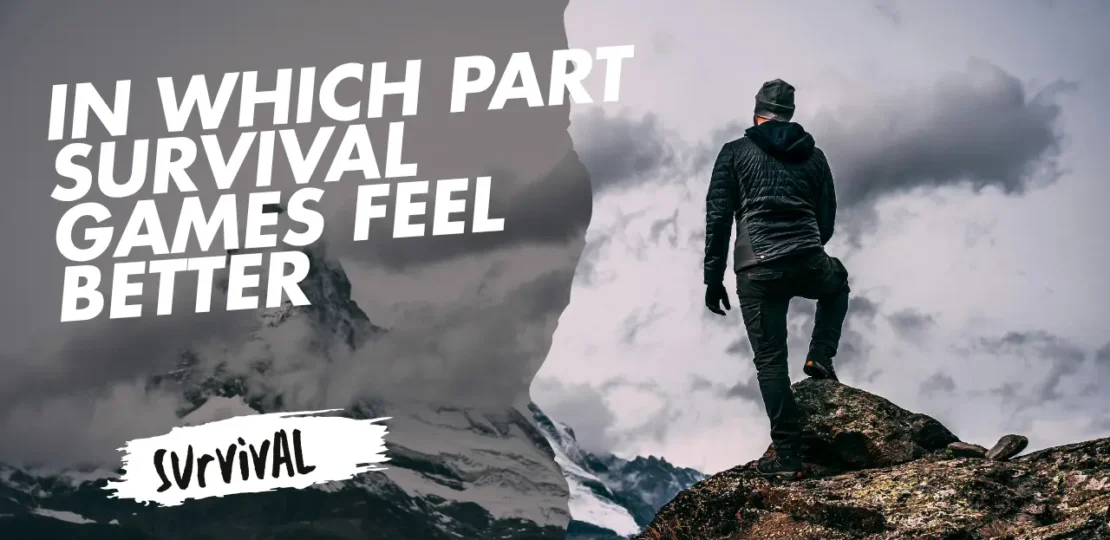
Survival games have a unique way of engaging players. Unlike fast-paced action games or linear story-driven titles, survival games demand something deeper — patience, planning, adaptability, and sometimes even emotional resilience.
But not every moment in a survival game feels equally enjoyable.
Some phases are stressful.
Some feel rewarding.
Some can even become repetitive.
Understanding which part of survival games feels the best — and why — helps players enjoy them more and choose the right games for their style.
The Different Phases of a Survival Game Experience
Survival games are not just one experience — they are a journey through multiple stages. Each stage brings a different type of satisfaction.
1. The Beginning – Pure Survival and Uncertainty
This is where everything starts.
You usually have:
- No resources
- No protection
- Limited knowledge
- Immediate danger
Why This Phase Feels Powerful
- Every small success feels meaningful
- The world feels dangerous and unpredictable
- Decisions have immediate consequences
Finding food or crafting your first tool feels like a real achievement.
Example (Real Games)
- In Minecraft, your first night without shelter creates urgency
- In The Forest, early encounters feel overwhelming
- In Rust, you are vulnerable to both environment and players
Hidden Insight
This phase works because of uncertainty + risk.
But it can also feel stressful, especially for new players.
2. The Learning Phase – From Confusion to Control
After surviving the initial chaos, you begin to understand the game.
You start learning:
- Crafting systems
- Resource locations
- Enemy behavior
- Survival mechanics
Why This Phase Feels Rewarding
This is where real satisfaction begins.
- You stop reacting blindly
- You start making decisions
- You feel smarter, not just stronger
Practical Value for Players
If you quit survival games early, it’s often because you didn’t reach this phase.
Tip:
Give survival games at least 2–3 hours before deciding if you like them.
3. Stability – The First Sense of Safety
At this stage, you have:
- Basic tools
- A shelter or base
- A stable food source
Why This Feels Good
- You experience relief after early struggle
- Progress becomes visible
- You feel in control of your environment
Risk of This Phase
If the game becomes too safe, it can lose excitement.
Good survival games keep introducing:
- New threats
- Environmental changes
- Resource challenges
4. Exploration – Curiosity Takes Over
Once survival is stable, players begin exploring.
What Changes Here
- You leave your safe zone
- You search for rare resources
- You encounter new dangers
Why Exploration Feels Satisfying
- It combines risk and reward
- It keeps gameplay fresh
- It expands the game world
Example
- Subnautica: exploring deeper zones increases tension
- Valheim: new biomes introduce new mechanics
- Ark: Survival Evolved: different areas require new strategies
5. Building and Creativity – From Survival to Ownership
At this point, survival is no longer the main focus.
You begin to:
- Build larger bases
- Optimize systems
- Design creatively
Why This Phase Feels Different
- You gain control over the world
- You express creativity
- The game becomes personal
Important Insight
This phase works best when:
- Building systems are deep
- Progression feels meaningful
Otherwise, it can become repetitive.
6. Major Challenges – The Peak of Satisfaction
This is where everything comes together.
Examples of Challenges
- Boss fights
- Harsh environments
- High-risk missions
Why This Is the Most Rewarding Phase
- You use everything you learned
- Success feels earned
- Preparation matters
Key Difference
Early game = survival by reaction
This phase = survival by strategy
7. Late Game – Mastery or Burnout
This stage defines whether a survival game remains engaging.
Two Possible Outcomes
Best Case:
- New mechanics unlock
- Advanced systems keep evolving
- Gameplay stays interesting
Worst Case:
- No new challenges
- Repetitive gameplay
- Loss of purpose
Why Many Players Quit Here
The core survival feeling disappears.
Without risk, survival games lose their identity.
So, When Do Survival Games Feel the Best?
The strongest experience is usually the middle phase.
Why the Middle Phase Works Best
- You understand the game
- You still face challenges
- You feel capable but not overpowered
This Creates the Perfect Balance
- Risk is present
- Progress is meaningful
- Decisions matter
This balance keeps players engaged the longest.
Practical Advice: How to Enjoy Survival Games More
This section adds real value (important for AdSense).
1. Don’t Judge Too Early
Most players quit during the hardest phase (beginning).
Give the game time to reach:
- Learning phase
- Stability
2. Set Personal Goals
Instead of just surviving:
- Build something unique
- Explore a new area
- Complete a challenge
3. Avoid Over-Optimization
If you make everything too efficient:
- The game becomes predictable
- The challenge disappears
4. Play with Others (If Possible)
Multiplayer survival adds:
- Shared experiences
- Strategy coordination
- Social enjoyment
5. Take Breaks Before Burnout
Late-game fatigue is normal.
Switching games or taking a break helps maintain enjoyment.
What This Means for Game Design (High-Value Insight)
For developers, this pattern highlights:
- The importance of pacing
- The need to maintain tension
- The balance between challenge and comfort
A great survival game is not about difficulty alone —
it’s about keeping players engaged across all phases.
Final Thoughts
Survival games are not defined by a single moment.
They are defined by progression:
- From fear
- To understanding
- To control
- To mastery
But the most powerful experience lies in the middle —
where you are no longer helpless, but not yet dominant.
That space, between struggle and stability,
is where survival games truly come alive.
RELATED POSTS
View all

After 5 Years in Teyvat: How Veteran Genshin Impact Players Really Feel in 2025
November 18, 2025 | by kabilan
Why Most Gamers Never Compete in Tournaments — And How You Can Start Today (Even If You’re “Not That Good”)
February 6, 2026 | by kabilan